When you grow from your strength and passion, it is real and enduring
Three different careers come together Edco: "Our careers started completely different. Gerard is a former banker, my brother Martijn studied…

You probably recognize it: the customer you used to have coffee with every month is now someone you only interact with through tickets. The colleague you used to casually drop by now appears only as a pixelated face in a Teams call. Communication has become lightning-fast and highly efficient but doesn’t it sometimes feel a little… cold?
In this blog, Thomas Spoelstra explains why digital communication can drain the warmth from business relationships, and how to bring back that human connection without sacrificing efficiency.
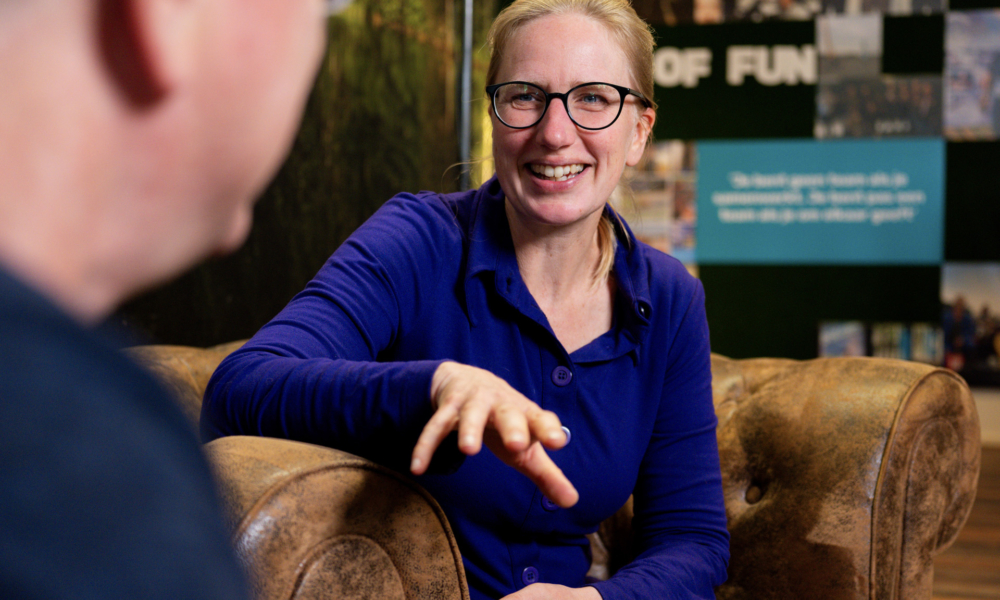
Twenty years ago, the world of customer interaction looked very different. The telephone was the primary channel, and email was still in its infancy. For meetings, you got in the car and met in person. You took time for coffee, a tour of the office, a conversation about family or hobbies. Step by step, those moments helped build a relationship. Mutual trust, goodwill, and respect developed naturally. You knew the voices, the faces, and often even the stories behind the organization. There was real connection.
Today, everyone uses Slack, Teams chat, WhatsApp, ticketing systems, and video meetings. Communication is lightning-fast, efficient, and available 24/7. But there’s a risk hidden in that convenience: relationships with customers and partners can quietly harden. Interaction becomes more fleeting, more black-and-white, more impersonal.
At OptimaData, we sometimes joke that “it’s starting to feel like work.” It’s said with a smile, but it touches on a real concern. How do we make sure the human element doesn’t disappear?
Digital channels offer undeniable advantages. You can ask a quick question, share an update instantly, report an incident right away. But where speed wins, warmth can be lost.
Written messages lack tone, humor, and body language. A short chat message can come across much harsher than intended. Ongoing conversations jump from WhatsApp to email to a ticket, and the bigger picture gets lost. Even “face-to-face” meetings now happen through a screen. Non-verbal cues and spontaneous encounters disappear.
The real danger? You start seeing each other primarily as roles, “the customer,” “the supplier” instead of as people. Relationships become superficial, while it’s precisely that personal connection that lubricates collaboration and trust.
The solution isn’t to turn back time. Technology is valuable and indispensable. What matters is finding a conscious balance and that requires effort from both sides.
Make time for real conversations. Schedule a phone call, or better yet, meet in person. It can be a progress meeting, but it can also be coffee without an agenda. That space allows for openness and conversations that don’t fit into a chat window.
Be mindful of tone and context in written communication. Does your message come across the way you intend? Sometimes a short call works better than a long email. A friendly greeting or a simple thank-you can make more difference than you might expect.
Invest in small gestures. Send a handwritten card. Invite someone to the office spontaneously. Share a success personally. Small, unexpected actions bring humanity back into the relationship.
Create shared rituals. A quarterly on-site meeting, a joint lunch, a recurring “coffee call” with no agenda. Rituals create consistency and connection.
Relationships are never one-way streets. As a supplier, that means proactively reaching out, recognizing when interactions start to feel distant, and creating space for genuine human connection. As a customer, it means being open to conversation — even when your agenda feels full. It is precisely these moments of real contact that strengthen collaboration.
Those who invest attention here notice the difference immediately. Trust grows, issues surface sooner, and cooperation becomes more enjoyable and sustainable.
We don’t need to go back to 2005. Modern communication tools are powerful, especially in a world where databases and 24/7 availability are the norm. But conscious, human interaction remains essential.
The future is bright if we use technology intelligently and continue to seek real conversations. Think hybrid ways of working, smart combinations of online and offline interaction, and offices designed to encourage meeting and connection.
At OptimaData, we believe sustainable relationships are the foundation of every success. We manage and optimize databases, but we invest just as much in the people behind them. Only by truly knowing each other can we continue to build together.
The way we communicate has changed, but the essence remains: trust and connection. By combining digital convenience with genuine encounters, we keep relationships warm, strong, and future-proof. Let’s work on that together via phone, chat, and over a good cup of coffee.
 Our door is always open. Whether you’re a customer, partner, or simply a curious fellow professional: the coffee is always ready. There’s plenty of flexible workspace if you feel like sticking around. That’s how we make room for conversations that truly matter, the kind you can’t capture in a ticket or a chat. Get in touch and experience the difference between a supplier and a partner.